Popular Conditions & Diets

Almost overnight, GLP-1 meds like Ozempic, Mounjaro, and Wegovy have transformed the weight-loss conversation. People report that appetite gets quieter, portions shrink, and “food noise” fades away. For many, it can make eating feel manageable for the first time.
But the same hunger suppression raises an important question: aside from eating less, which is the easy part, how are you supposed to eat when taking a GLP-1 drug? As you will see, when there is less on the plate, food choices actually become a lot more important.
In this guide, you’ll learn:
GLP-1 (Glucagon-Like Peptide 1) is a hormone naturally produced in the gut that slows digestion and increases feelings of fullness. The medications work by providing a supraphysiological dose of this hormone - much more than your body would ever make.
The result is that you feel full much sooner and food stays in the stomach for much longer. This explains why the drugs work so effectively, and it also explains the common side effects like nausea, acid reflux, bloating, or constipation- especially early on or after increasing the dose.
The most important idea to resist is that since you’re automatically eating less, whatever you might indulge in isn’t as important.
The opposite is true: when calories drop, nutrition matters more, not less.
If you just eat ultra-processed, low-protein foods, but less of them than before, you’re likely to run into nutrient deficiency problems like weakness, fatigue, constipation, hair shedding, and skin issues. At the end of the day, the body still needs raw materials, in adequate amounts, to function optimally.
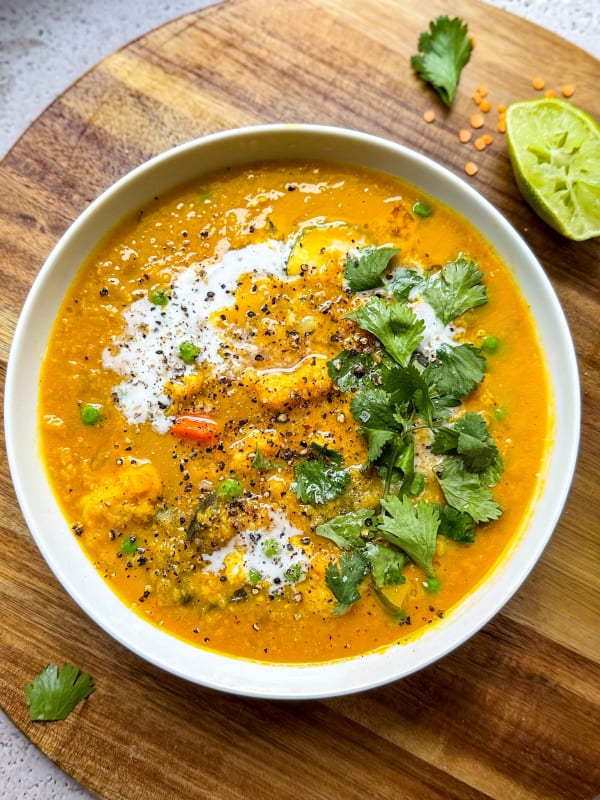

Protein, protein, protein
Significant weight loss almost always includes some lean muscle loss. Medications don’t change that reality, and unless protein intake is intentional, it can become a real issue. We want to lose fat, not muscle.
Aim for 20-30 grams of protein per meal as a rule of thumb. This will help preserve that precious lean mass, and keep blood sugar steadier to boot.
Ideal GLP-1 friendly options include:
The most common mistake is to skip meals entirely, then survive on crackers or toast. That may feel easier in the moment- but it’s a fast track to muscle loss and feeling lousy.
Slow carbs are the right carbs
You don’t need to avoid carbohydrates on GLP-1 meds, but the ones you choose can make a huge difference.
Not only can sugary and refined carbs worsen side effects like nausea and heartburn, but these nutrient-poor foods will crowd out healthier options that would actually nourish you. Instead of white flour and refined sugar, think whole grains, fresh fruit, and starchy veg like potatoes, turnips, carrots, and beets. Meanwhile, fibre-rich foods like legumes, apples, and oatmeal, can help with the constipation that GLP-1 users often experience.
Enjoy healthy fats
Patients on GLP-1 meds are typically counselled to avoid very high-fat meals for a pretty logical reason: the drugs cause all food to sit in the stomach longer, and fats are already the macronutrient that sits in the stomach longest. Combining them can lead to a real traffic jam, potentially causing a sense of fullness to the point of discomfort. On the other hand, eliminating fat entirely can stress the gallbladder and deprive the body of essential nutrients.
Between deep-fried everything and zero-fat puritanism is a clear sweet spot: moderate amounts of healthy fats, with a primary emphasis on mono and polyunsaturates. You can’t go wrong with olive oil, avocado, and fatty fish like wild-caught salmon.
GLP-1 medications have become extremely popular for a reason: for many people, they can make weight loss and insulin balance a lot easier to navigate. But long-term success comes from learning how to eat intentionally, not from dogmatic restriction or from an assumption that eating less of everything will make everything else work out by default.
When you embrace a holistic approach that prioritizes protein, emphasizes fibre and other slow carbs, stay hydrated, and respect your body’s new signals of hunger and satiety, weight loss can not only be faster- but healthier and more sustainable.
We’ve pulled together a dedicated GLP-1 recipe roundup featuring protein-forward, fibre-aware meals designed to work with reduced appetite and slower digestion — not against it.
And if you want even more options, GLP-1 is now a filterable diet on Rily. You can search our full recipe library and sort specifically for meals that align with your nutritional priorities while on GLP-1: high protein, balanced macros, nutrient-dense, and realistic for everyday life.
Explore the GLP-1 recipe collection and browse the full filtered recipe library now.
Christensen, S., Robinson, K., Thomas, S., & Williams, D. R. (2024). Dietary intake by patients taking GLP-1 and dual GIP/GLP-1 receptor agonists: A narrative review and discussion of research needs. Obesity Pillars, 11, 100121. https://doi.org/10.1016/j.obpill.2024.100121
Di Mauro, A., Tuccinardi, D., Watanabe, M., Del Toro, R., Monte, L., Giorgino, R., Rampa, L., Rossini, G., Kyanvash, S., Soare, A., Rosati, M., Piccoli, A., Napoli, N., Fioriti, E., Pozzilli, P., Khazrai, Y. M., & Manfrini, S. (2020). The Mediterranean diet increases glucagon‐like peptide 1 and oxyntomodulin compared with a vegetarian diet in patients with type 2 diabetes: A randomized controlled cross‐over trial. Diabetes/Metabolism Research and Reviews, 37(6). https://doi.org/10.1002/dmrr.3406
Fitch, A., Gigliotti, L., & Bays, H. E. (2025). Application of nutrition interventions with GLP-1 based therapies: A narrative review of the challenges and solutions. Obesity Pillars, 16, 100205. https://doi.org/10.1016/j.obpill.2025.100205
García-Gorrita, C., San Onofre, N., Merino-Torres, J. F., & Soriano, J. M. (2025a). Beyond GLP-1 agonists: An adaptive ketogenic–Mediterranean protocol to counter metabolic adaptation in Obesity Management. Nutrients, 17(16), 2699. https://doi.org/10.3390/nu17162699
Gentinetta, S., Sottotetti, F., Manuelli, M., & Cena, H. (2024). Dietary recommendations for the management of gastrointestinal symptoms in patients treated with GLP-1 receptor agonist. Diabetes, Metabolic Syndrome and Obesity, Volume 17, 4817–4824. https://doi.org/10.2147/dmso.s494919
GLP-1 diet guidance. Cleveland Clinic. (n.d.). https://my.clevelandclinic.org/watch/glp-1-diet
Mehrtash, F., Dushay, J., & Manson, J. E. (2025). I am taking a GLP-1 weight-loss medication—what should I know? JAMA Internal Medicine, 185(9), 1180. https://doi.org/10.1001/jamainternmed.2025.1133
Migala, J. (2025, October 16). What to eat on Ozempic (or any GLP-1) in your 30s, 40s, 50s, 60s+. Meet Midi: Insurance-Covered Care from Women’s Health Specialists. https://www.joinmidi.com/post/what-to-eat-on-ozempic
Millard, E. (n.d.). GLP-1 diet: Foods to eat and avoid on weight loss medication. https://www.healthcentral.com/condition/obesity/glp-1-diet
Mozaffarian, D., Agarwal, M., Aggarwal, M., Alexander, L., Apovian, C. M., Bindlish, S., Bonnet, J., Butsch, W. S., Christensen, S., Gianos, E., Gulati, M., Gupta, A., Horn, D., Kane, R. M., Saluja, J., Sannidhi, D., Stanford, F. C., & Callahan, E. A. (2025a). Nutritional priorities to support glp‐1 therapy for obesity: A joint advisory from the American College of Lifestyle Medicine, the American Society for Nutrition, The Obesity Medicine Association, and the Obesity Society. Obesity, 33(8), 1475–1503. https://doi.org/10.1002/oby.24336
Neff, T. (2025, May 19). Many people using GLP-1 weight loss drugs may not be eating enough nutritious food. UCHealth Today. https://www.uchealth.org/today/nutrition-vital-when-taking-glp-1-weight-loss-drugs/
Scourboutakos, Adjunct Assistant Professor in Family and Community Medicine, M. J. (2026, January 22). What and how you eat can increase the effects of GLP-1 without drugs. The Conversation. https://theconversation.com/what-and-how-you-eat-can-increase-the-effects-of-glp-1-without-drugs-253728
Snashall, S. (2024, September 17). Taking a GLP-1? here are foods to limit - and what to prioritize. Ohio State Health and Discovery. https://health.osu.edu/wellness/exercise-and-nutrition/glp1-foods-to-limit#
Share this article